Covering the UN, a three-day fellowship programme, corporate town halls and public-sector clinics, how institutional video earns attention.
Institutional video has a reputation problem: the stiff conference film that nobody finishes. But institutions have some of the most consequential stories in the room: climate and health data capacity, tax literacy, workforce recognition. Our work with the United Nations, the Africa CAN fellowship programme, ERL Telecom's town hall awards and FIRS's tax clinic keeps teaching the same lesson: the format isn't the problem, the treatment is.
Dignity and clarity over gloss
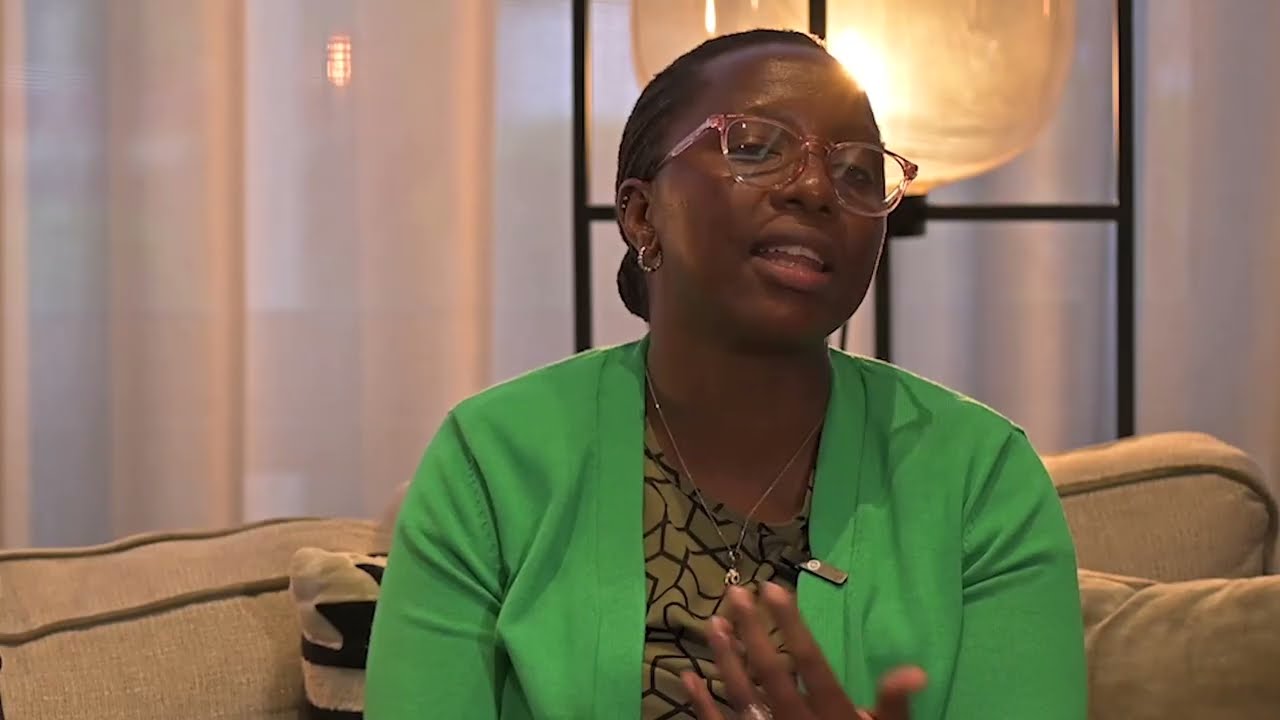
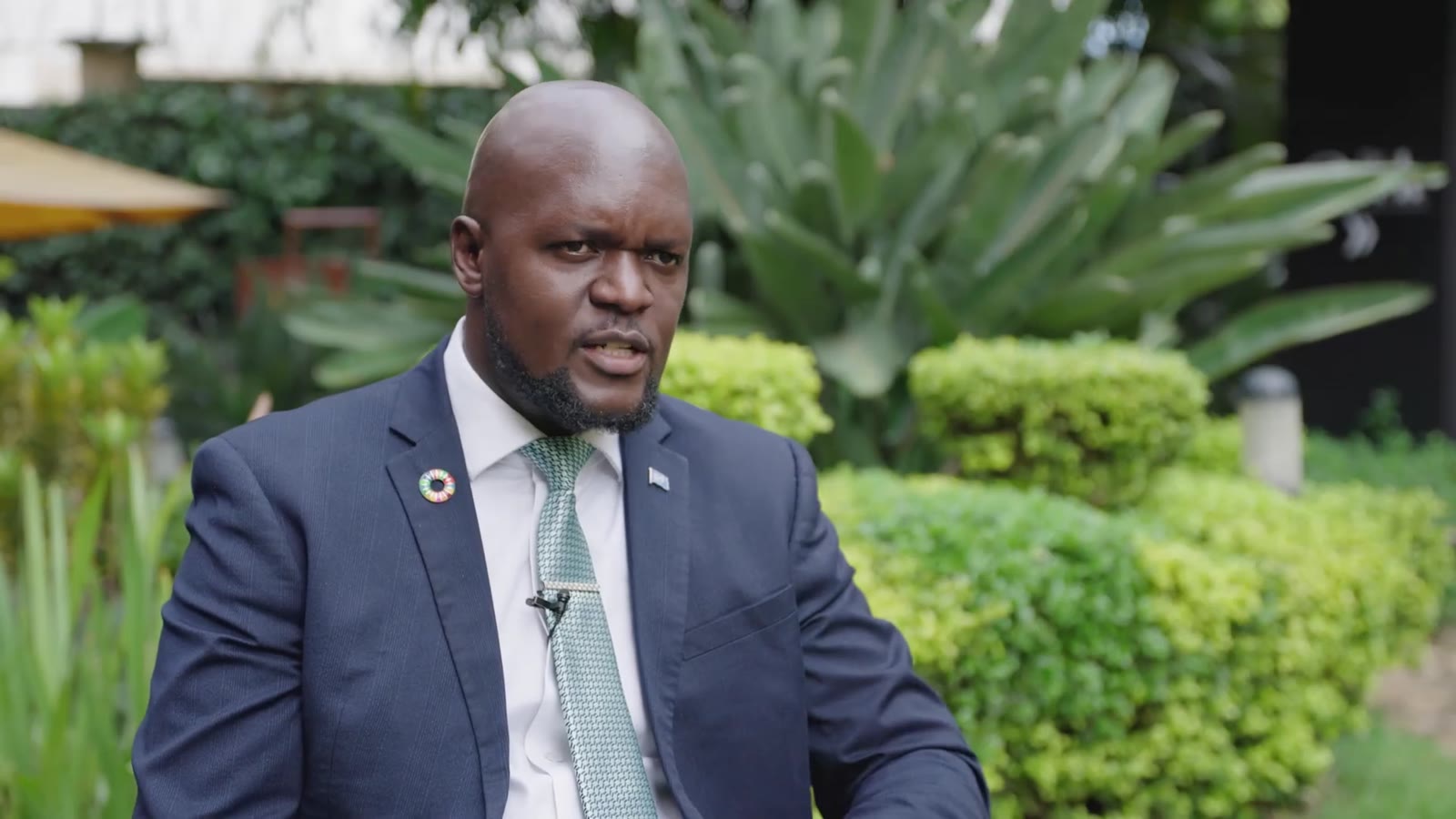
Institutional audiences are allergic to advertising language. What earns their attention is dignity (real people, properly lit, given room to speak), and clarity about why the work matters. A fellowship film doesn't need a drama score; it needs the fellows explaining, in their own words, what the programme unlocked.
Interviews are the spine
Event b-roll from a conference looks like event b-roll from every conference. Interviews are what make an institutional film specific. We schedule them into the event itself (a quiet corner, two cameras, twenty minutes), because the difference between a documentation video and a story is almost always a human voice explaining the stakes.
The difference between documentation and a story is a human voice explaining the stakes.
Multi-day programmes need a narrative plan
A three-day fellowship generates thirty hours of possible footage and one film. Without a narrative plan (arrival, work, transformation), the edit becomes a highlights reel of lanyards and lecterns. We map the story arc before day one, then shoot each day for its role in that arc.
Institutions change slowly and communicate carefully. That's exactly why the ones that invest in genuinely watchable films stand out: the bar is low, and clearing it well is a competitive advantage.