From Detty December to AFCON watch parties, the recap film is the asset that outlives the event. Here's what a recap is actually for.
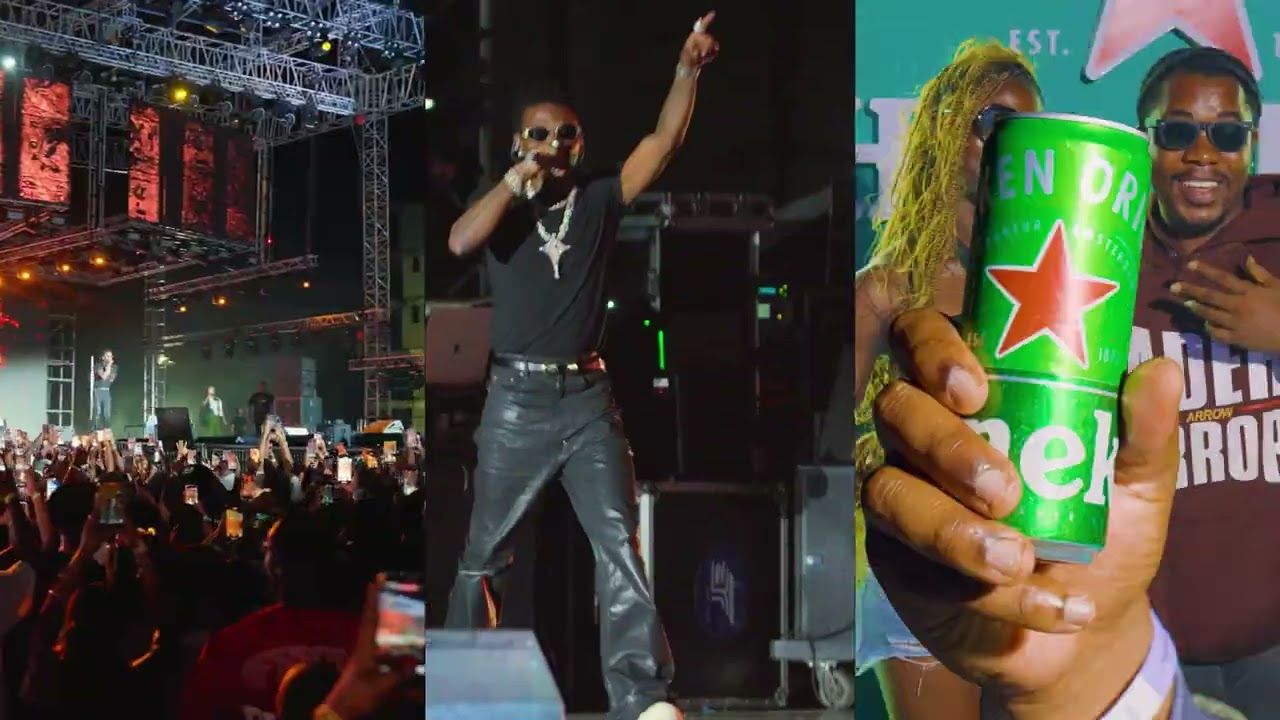
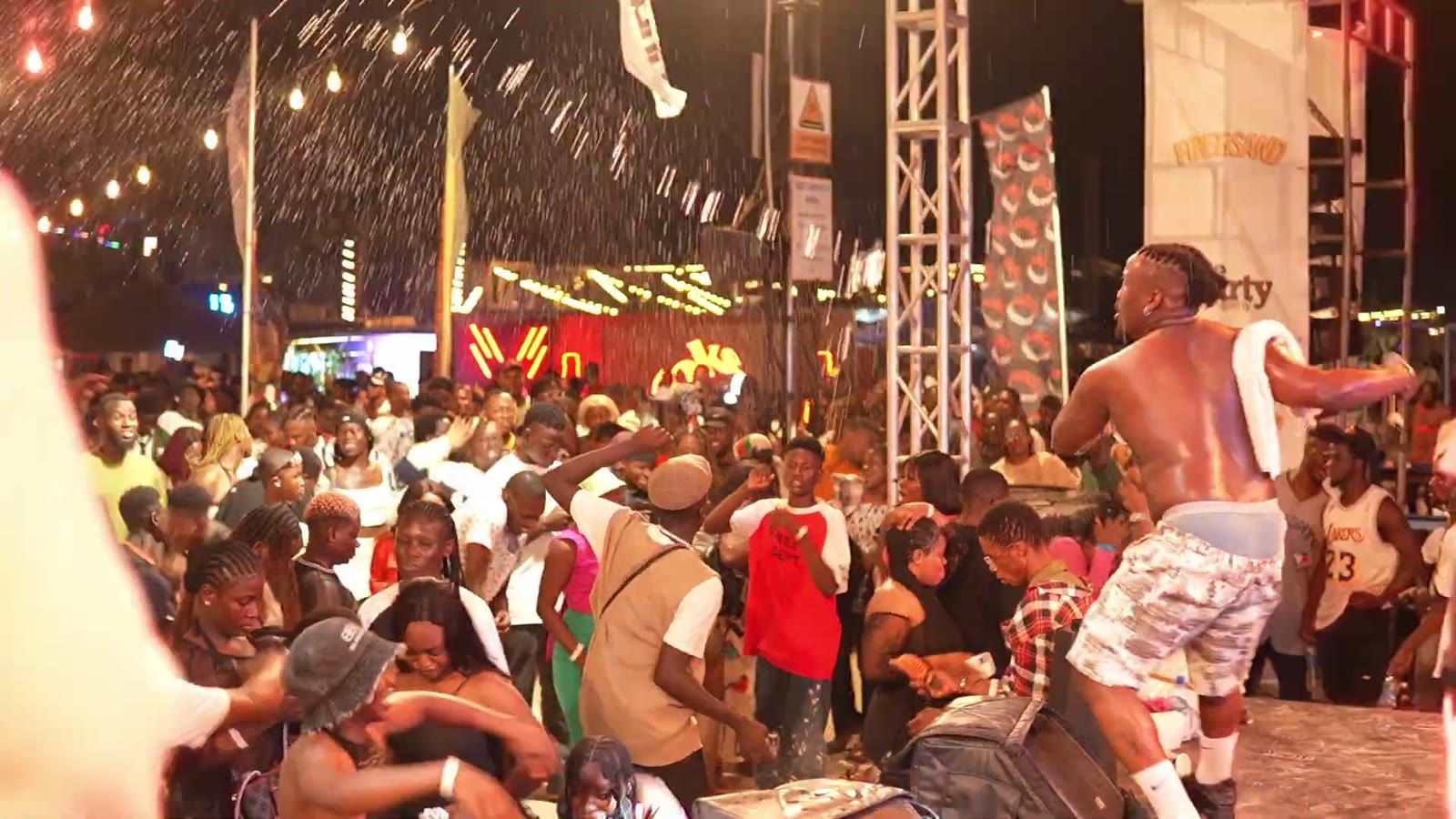
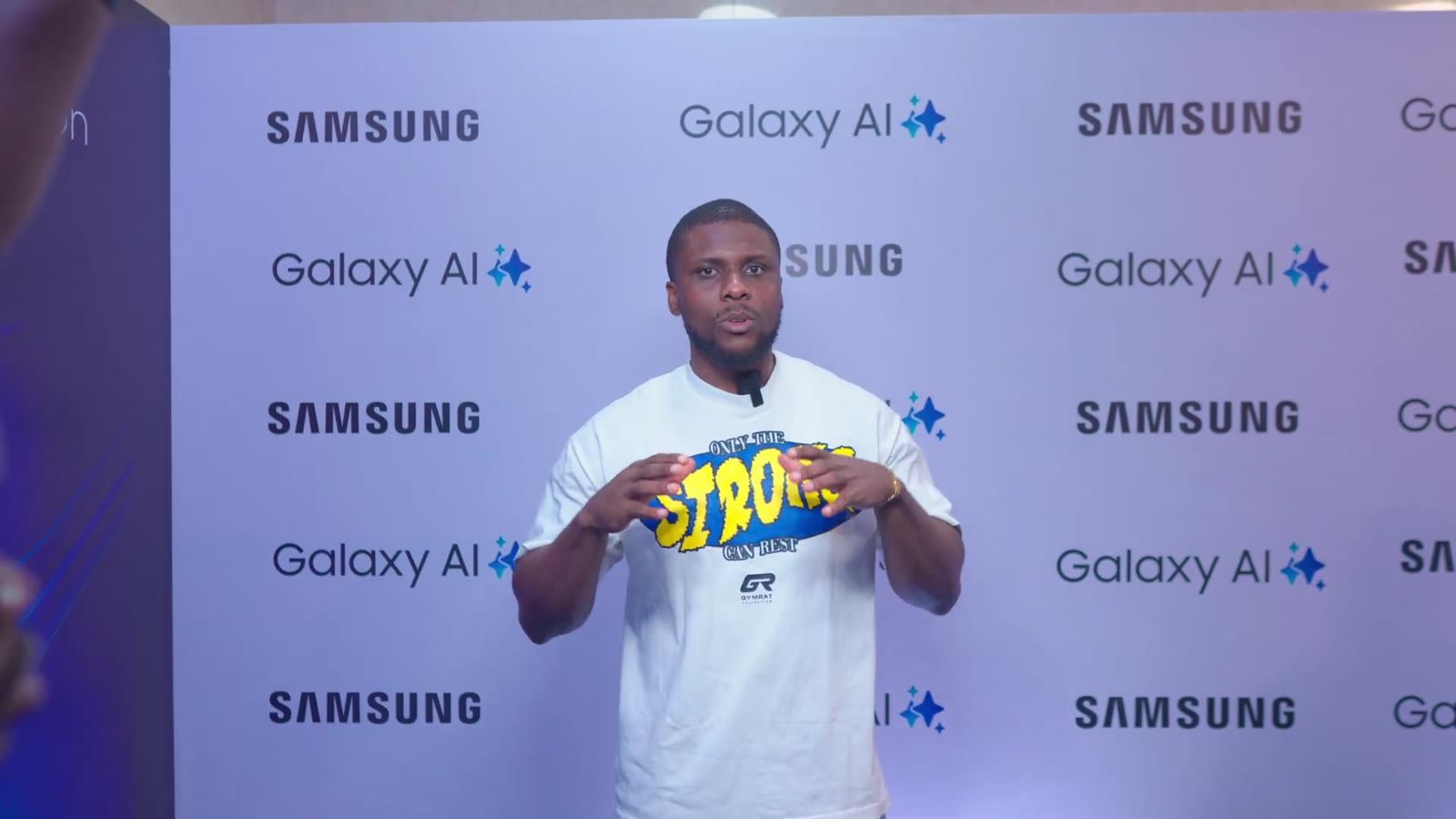
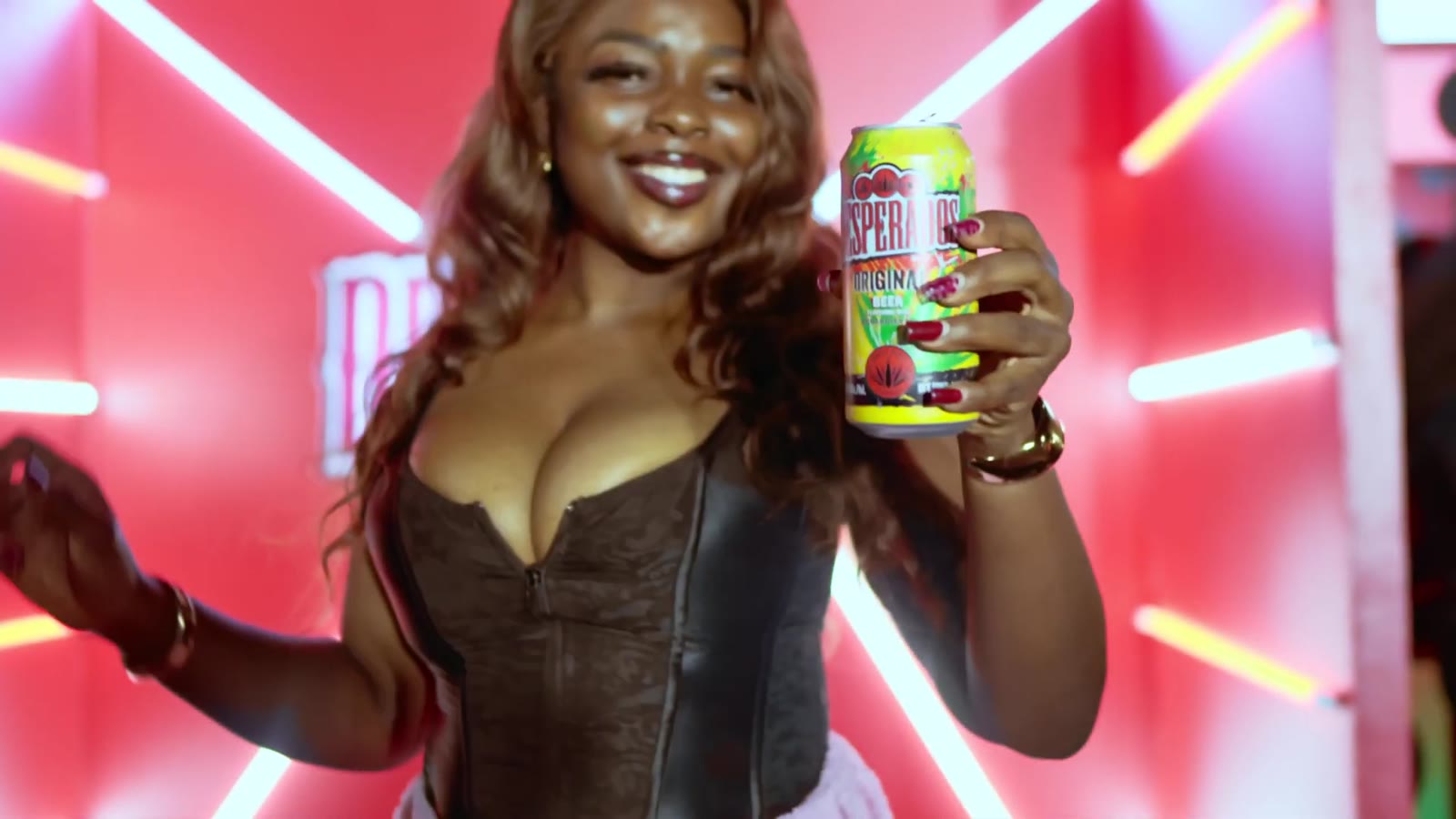
An event ends. The recap doesn't. Across a season of Lagos event coverage (Nigerian Breweries' Detty December, Goldberg's AFCON watch party, Desperados' Latin Vibe and Element House nights), the pattern is consistent: the event serves the people in the room, and the recap serves everyone the brand needs to convince afterwards.
Who a recap is actually for
The honest answer is: next year. Recap films close sponsors, convince venues, brief agencies, and sell tickets for the next edition. They're also the social proof a brand shows people who weren't there, which is almost everyone. Understanding that audience changes what you shoot: a recap isn't a schedule of what happened, it's an argument that the event mattered.
Sell the feeling, not the running order
The weakest recaps are chronological: doors, crowd, act one, act two, fireworks. The strongest ones are emotional: they open at peak energy, they cut on movement and reaction, and they treat the timeline as raw material rather than structure. Nobody rewatches a running order.
A recap isn't a record of what happened. It's an argument that it mattered.
One night, a season of content
A well-shot event yields far more than one film: vertical cuts for each act, sponsor-specific edits, crowd-reaction posts, next-year teaser material. The recap anchors the set, but the coverage plan should assume the whole family of deliverables from the start, retrofitting verticals from horizontal coverage is always a compromise.
The compounding archive
Brands that document every event build something with real value: an archive. Two or three seasons in, that archive becomes campaign material, anniversary content, and the visual history that separates an institution from a one-off. The recap you commission this year is a deposit in that account.